
The world is more connected than ever and your online privacy needs protection. From smart thermostats that know your schedule to voice assistants that respond to your every command, the convenience of smart devices is undeniable. However, with cyberattacks on IoT devices rising by 98% in 2023 (source: Forbes), the risks are just as real. Your personal data, business operations, and even your home security are at stake. Protecting yourself isn’t just a good idea—it’s essential.
Let’s explore how to secure your smart devices, safeguard your privacy, and stay one step ahead of cyber threats.
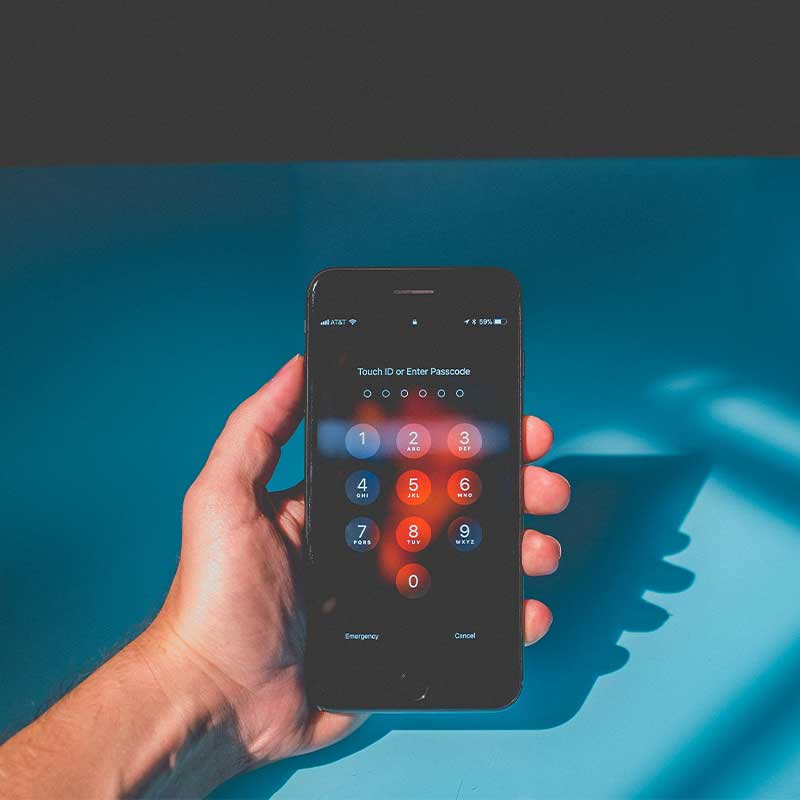
How to Secure Your Smart Devices
Your smart devices are only as secure as the effort you put into protecting them. Here are practical steps to tighten your IoT security:
1. Regular Updates Are Non-Negotiable
Every smart device, from your smartwatch to your smart fridge, relies on firmware to operate. Manufacturers frequently release updates to patch vulnerabilities. Enable automatic updates whenever possible, or check for updates monthly. Neglecting this step is like leaving your front door wide open for hackers.
2. Strengthen Your Network Security
Your home or business network is the backbone of your smart devices. To secure it:
- Use a strong Wi-Fi password (16+ characters with a mix of symbols, numbers, and letters).
- Enable WPA3 encryption for better security.
- Create a guest network exclusively for IoT devices to separate them from your main network.
3. Beware of Default Settings
Default usernames and passwords are a hacker’s best friend. Change them immediately after setting up your devices. And while you’re at it, disable unnecessary features like remote access, and cloud support unless you need them.
Online Privacy: Protecting Your Digital Footprint
While securing smart devices is essential, your online activities also play a huge role in protecting your privacy. Here’s how to take control:
1. Use Privacy-Focused Browsers and Tools
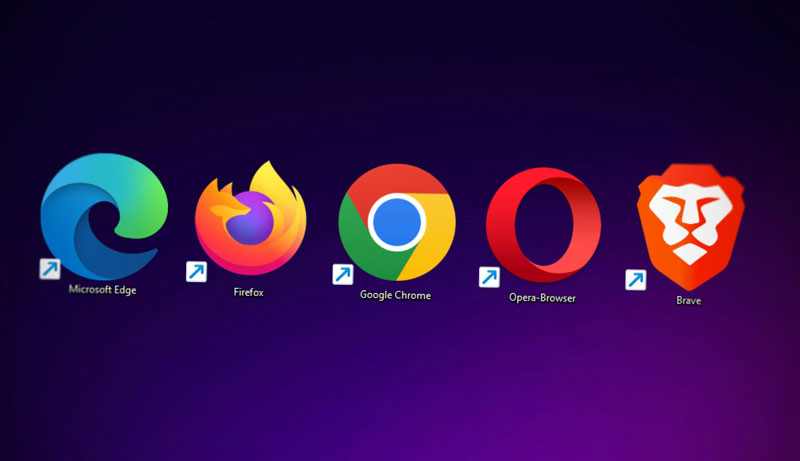
Switch to browsers like Brave or Firefox, which prioritize user privacy. Add extensions like uBlock Origin or Privacy Badger to block trackers and ads that collect data about your browsing habits.
2. Watch Out for App Permissions
Many apps request excessive permissions that aren’t necessary for their functionality. Regularly review and revoke permissions, especially for apps with access to your location, microphone, and camera.
3. Protect Your Accounts with 2FA
Enable two-factor authentication (2FA) for your accounts wherever possible. It’s an easy way to add an extra layer of security beyond your password. Tools like Authy or Google Authenticator can make this process seamless.
The Consequences of Neglecting Online Security
Failing to secure your smart devices or online accounts can lead to:
- Data Breaches: Your sensitive information could end up on the dark web, exposing you to identity theft.
- Device Takeovers: Hackers can control smart devices like cameras, door locks, or even baby monitors.
- Financial Loss: Cybercriminals can exploit vulnerabilities to steal money or hold your data for ransom.
The stakes are high, but taking action today can save you from these risks.
Conclusion
Cyber threats are evolving, but so are the tools and techniques to protect yourself. By regularly updating your devices, securing your networks, and safeguarding your online presence, you’re building a strong defense against hackers and prying eyes.
Don’t wait for a breach to act. Whether you’re protecting your family, your business, or your clients, the time to secure your smart devices and online privacy is now. Take control of your tech and enjoy the benefits of a connected world without the risks.