
Introduction
Navigating the complex landscape of security camera systems can be overwhelming. Whether you’re safeguarding a home or a business, the right choice is crucial. To assist you in making an informed decision on selecting the right security camera system for business or home, we at SecuritySystemsFinder have reviewed the Camius security camera range, which helped us address common questions about camera types, features, installation, and maintenance. By exploring the various types of security cameras for business, we aim to demystify the process and ensure your property’s security.
1- How to Select a Security Camera System for Business and Home?
To simplify the process, let’s explore the key types of security cameras available:
Types of security cameras for business
Analog Cameras (BNC cameras)
Analog Cameras (BNC): For those with existing coaxial wiring, Camius offers a cost-effective solution. Our system replaces your DVR and BNC cameras without requiring new cabling, while providing features like 4K video, audio, smart detection, and remote access.
IP Camera and NVR System
IP cameras offer superior image quality, advanced features, and easy remote access. Camius’s plug-and-play IP camera and NVR system simplifies setup, eliminating the need for complex IP configuration. As part of our review of Camius security cameras, we were impressed by the superior image quality, advanced features, and easy remote access offered by their IP cameras. When exploring different types of security cameras for business, Camius’s plug-and-play IP camera and NVR system stood out for its simplicity and performance. Our test of the Camius 8 camera security system with PoE cameras and a PoE NVR demonstrated its ease of use—with just a few clicks, cameras were automatically detected and displayed on the connected TV within minutes.
Wireless Surveillance Camera System
During our review of Camius wireless cameras, we were particularly pleased with their long range, extending to 2000 feet. This coverage, combined with the convenience of wireless installation, makes Camius cameras a versatile choice for properties of all sizes. Among the many types of security cameras for business, Camius stands out for its battery-powered design and proprietary wireless technology, which eliminate the need for power outlets and Wi-Fi signals—ensuring reliable performance even in remote areas.
2 – What Factors Should I Consider When Looking at the Types of Security Cameras for Business
When choosing a security camera system, there are several key factors to consider:
Tailoring Your Security Camera System: Environment Matters
The optimal security camera system depends largely on your environment. Residential property owners often prioritize perimeter security, while businesses require surveillance for various needs, including security, loss prevention, and employee monitoring.
Business Considerations:
- Strategic Placement: Cameras should be strategically placed at entrances, exits, parking lots, offices, warehouses, and common areas.
- Comprehensive Coverage: Ensure all critical areas are monitored to address security and operational concerns.
Residential Considerations:
- Perimeter Protection: Protect your home’s perimeter by strategically placing cameras at entry points, driveways, and the backyard.
- Peace of Mind: Monitor your property, children, pets, and package deliveries for added security and convenience.
By carefully considering your specific environment, you can select a security camera system that effectively meets your unique needs.
Key Considerations for Optimal Image Quality and Performance
- Resolution Matters: Choose cameras with high resolution (e.g., 4K, 1080p) for crisp, detailed footage.
- Field of View: Select wide-angle lenses for expansive coverage and telephoto lenses for zooming in on specific areas.
- Night Vision: Ensure cameras have infrared illumination or advanced sensors for clear low-light and nighttime footage.
- Weatherproofing: If installing outdoors, opt for cameras that withstand harsh weather conditions.
- Storage and Connectivity: Determine your storage needs (on-camera, NVR, cloud) and connectivity options (wired or wireless).
- Smart Features: Explore cameras with advanced features like motion detection, facial recognition, and smart home integration for enhanced functionality.
By carefully considering these factors and exploring the different types of security cameras for business, you can select a system that delivers exceptional image quality and meets your specific needs.
3 – Determining the Right Number of Security Cameras
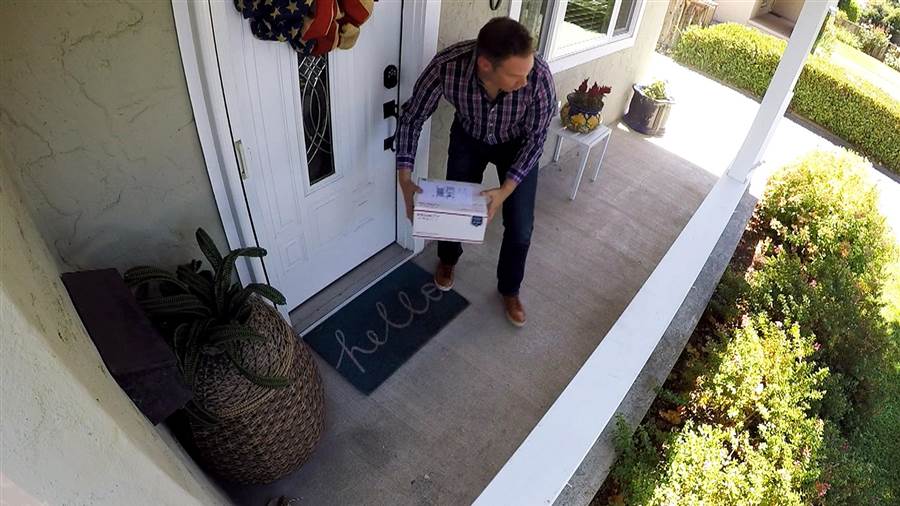
The ideal number of security cameras for your property depends on various factors:
- Property Size and Layout: Larger properties or those with complex layouts may require more cameras for comprehensive coverage.
- Areas of Interest: Identify critical areas such as entrances, high-traffic zones, and areas with valuable assets.
- Desired Level of Detail: Determine the level of detail and specific areas you want to monitor to determine the required number of cameras.
By carefully assessing these factors, you can determine the optimal number of security cameras to safeguard your property effectively.
4 – Understanding the Costs and Benefits of a Security Camera System
The cost of a security camera system can vary depending on factors like camera type, installation complexity, and ongoing maintenance. However, the potential benefits often outweigh the initial investment.
Cost Breakdown:
Ongoing Expenses: Consider maintenance, monitoring, and cloud storage fees. Camius offers flexible options with no recurring fees and compatibility with popular cloud services.
Camera Equipment: Costs range from a few hundred to several thousand dollars per camera, influenced by features, image quality, and weatherproofing.
Installation: Professional installation can add significant costs.
Potential Savings and Benefits:
Peace of Mind: Enjoy 24/7 monitoring, enhanced safety, and reduced anxiety.
Crime Deterrence: Camius cameras act as a powerful deterrent, reducing losses from theft and vandalism.
Insurance Discounts: Many insurers offer premium discounts for properties equipped with Camius security systems.
In conclusion, while there are upfront costs associated with a security camera system, the long-term benefits in terms of security, financial savings, and peace of mind make it a worthwhile investment.
4 – Navigating Legal and Privacy Considerations for Security Cameras
To ensure compliance and protect privacy, it’s crucial to understand the legal landscape surrounding security camera usage:
Consent and Notification
Familiarize yourself with local laws regarding consent and notification requirements for individuals under surveillance. Be aware of any restrictions on camera use, such as limitations on audio recording or specific areas where footage is prohibited.
Camius Commitment to Privacy:
We reviewed Camius privacy settings and noticed their commitment to user privacy. Their security cameras offer unparalleled flexibility, allowing users to easily enable or disable audio recording and two-way audio communication. This granular control ensures that users can tailor their system to their specific needs while maintaining privacy. Additionally, Camius’s security systems are designed with privacy regulations in mind, providing users with confidence that their footage is protected.
Final findings
In conclusion, selecting the right types of security cameras for business or home requires careful consideration of various factors. By evaluating your specific needs, considering the available camera types and features, and addressing legal and privacy considerations, you can make an informed decision that ensures the safety and security of your property. Camius offers a comprehensive range of wired and wireless camera solutions designed to meet your unique requirements, providing reliable protection and peace of mind.
For a more comprehensive look at the best Security Camera Systems, read “Best 16 Channel DVR: Camius vs. Amcrest – Which Security System is Right for You?“